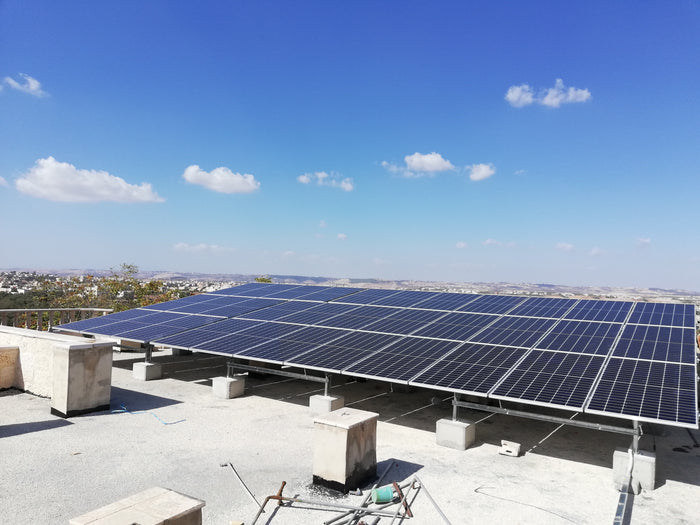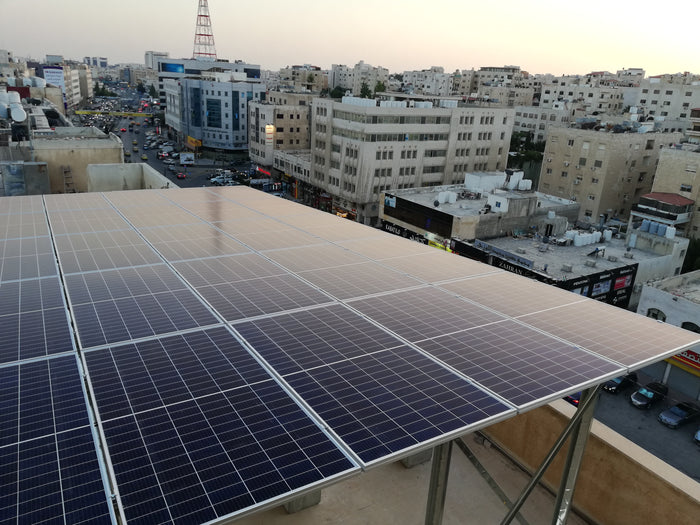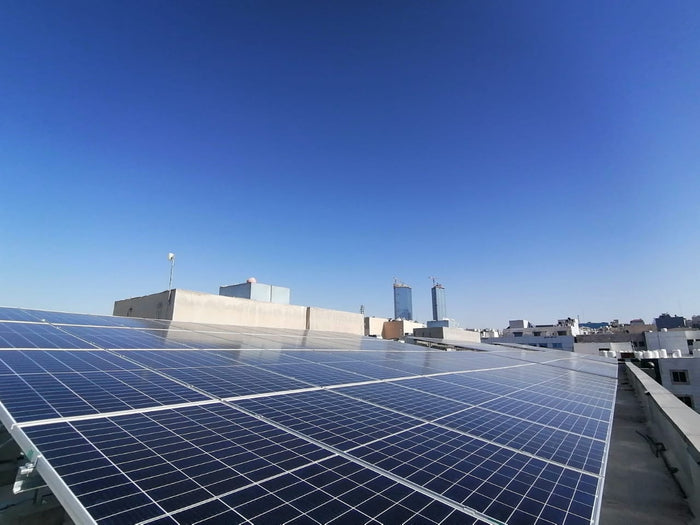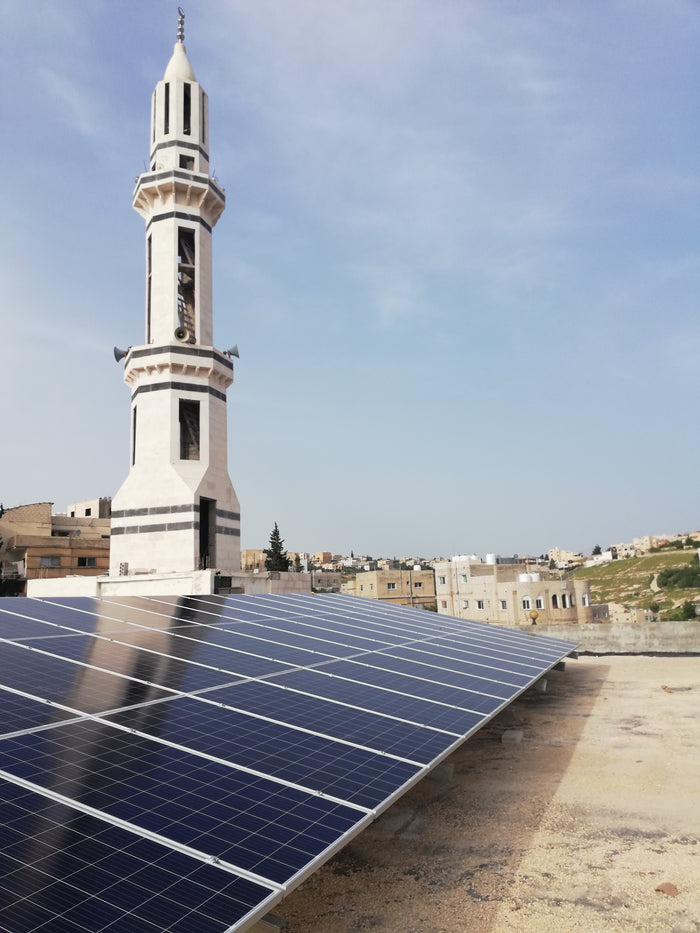
Load and feasibility assessment
We establish system goals and review daytime and night-time demand, rather than relying on a single bill
Trust Energy Solutions
Solar design and installation for homes, villas, factories and commercial sites, based on energy use, available space and loads
CONNECTED ENERGY
Generation, storage and everyday use, designed around your site and its needs
A simplified system with battery storage; operation depends on design and equipment
Sunlight becomes energy to use and store
Successful solar installation begins with design. We review electricity bills and usage times, then assess panel orientation, shading, cabling routes and equipment locations. The proposal defines system capacity, inverter type, storage needs and installation scope, matching generation to your actual demand and allowing for site connection requirements and future expansion
We establish system goals and review daytime and night-time demand, rather than relying on a single bill
Equipment is selected for system capacity, site conditions and operating requirements, and specified in the proposal
Complete the agreed work, verify operation and explain system use and monitoring at handover
An on-grid solar system operates alongside the electricity grid and uses solar generation while the grid is available; grid connection alone does not provide outage backup
A hybrid solar system combines PV generation and energy management with compatible battery storage; backup operation depends on the inverter, wiring and specified equipment
An off-grid solar system is designed independently of the grid, matching daily energy demand, battery storage and charging sources to the loads and variable solar generation
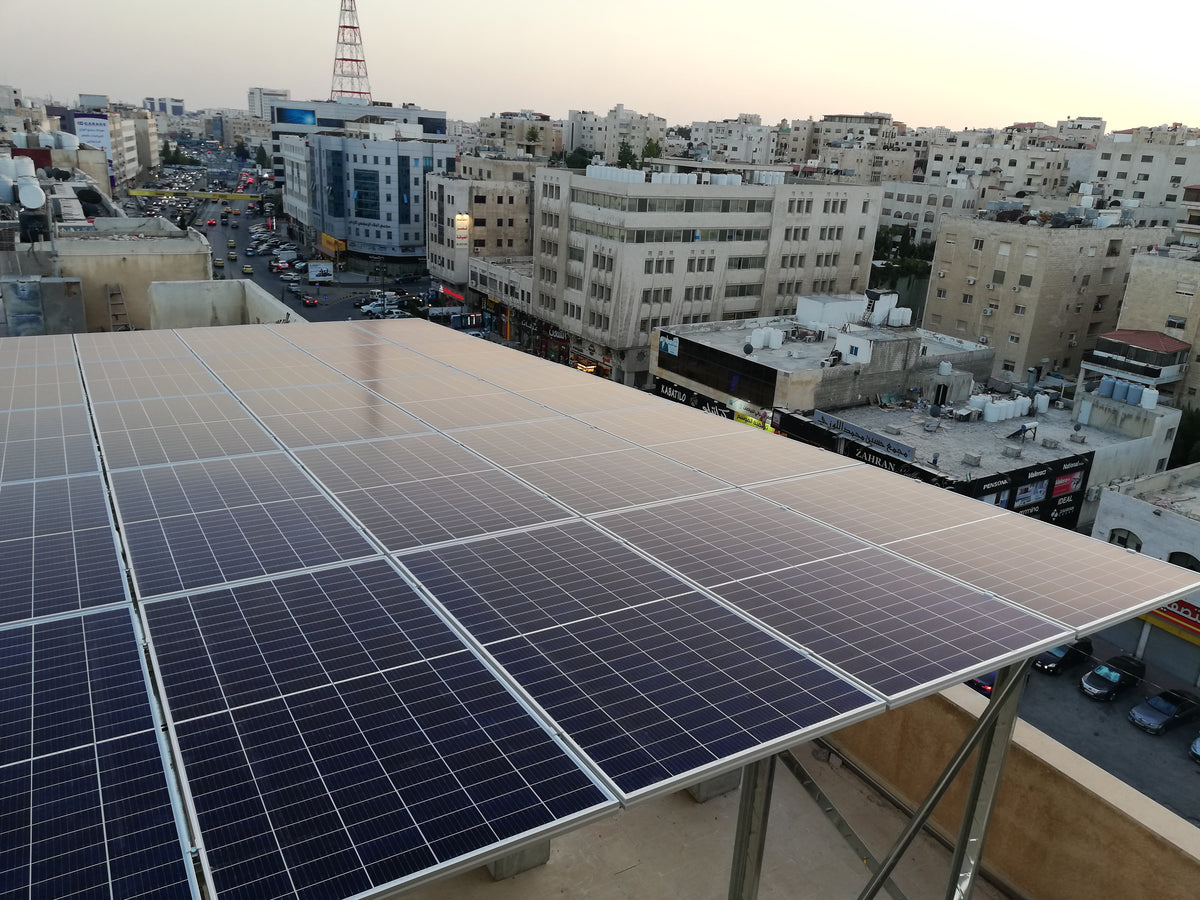
We translate site and consumption data into coordinated equipment selection and system layout, with the assessment and drawings defined in the project scope
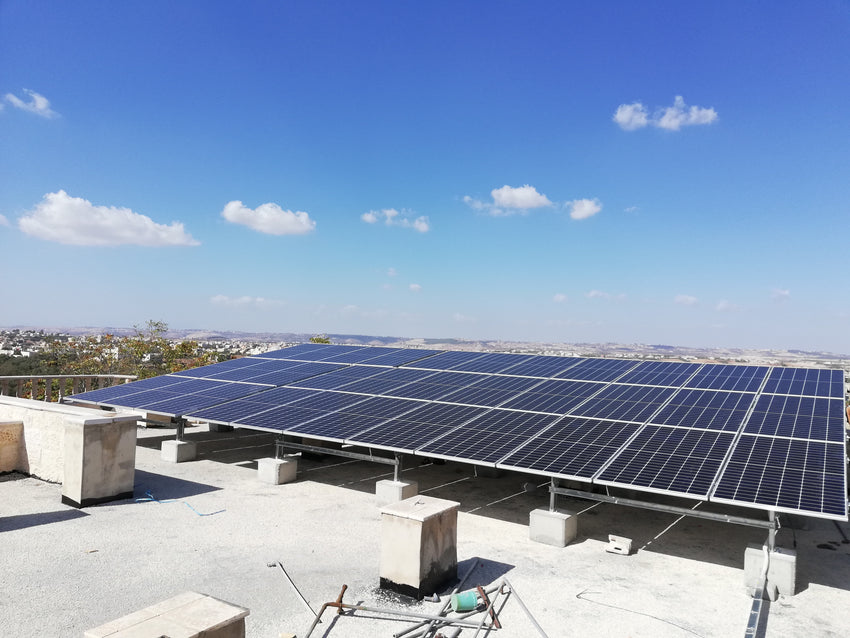
Design starts with when energy is used and how the site behaves, rather than panel nameplate capacity alone
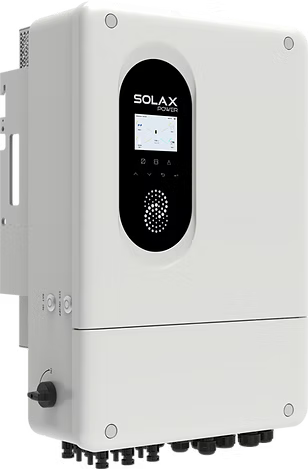
Components are reviewed as a coordinated system, considering operating limits, manufacturer guidance and site conditions
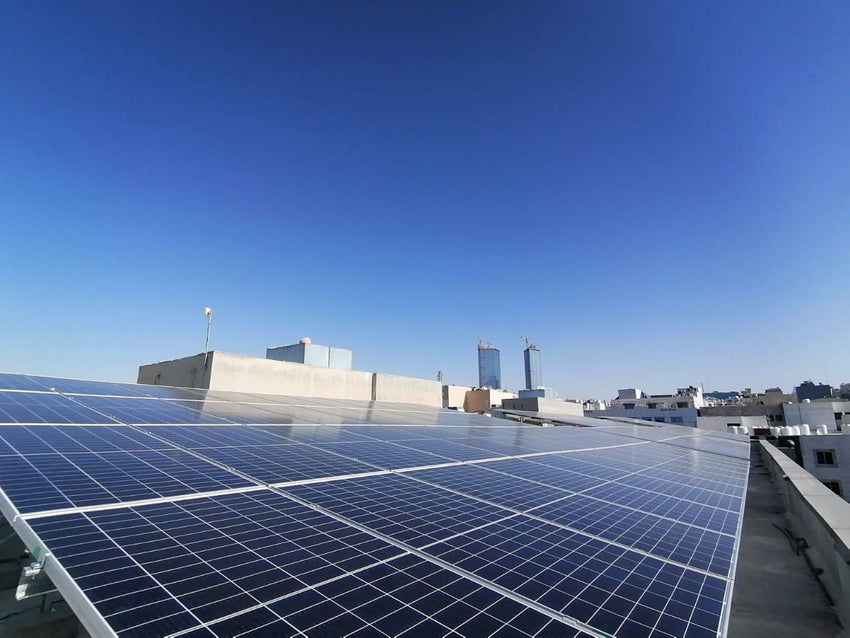
Once the solution and supply scope are agreed, the project moves into installation and operational checks before handover
Explore installations by sector, then discuss the requirements of your own site
A practical solar planning guide
Practical answers before you choose a system or service
Electricity bills, demand patterns, loads, available space and shading inform capacity and generation estimates; building floor area alone is not enough
Not every solar system is configured for backup. Outage operation depends on system type, inverter, batteries, isolation equipment and the loads it is designed to supply
Savings depend on generation, usage patterns, shading, tariffs and site conditions. Estimates belong in the assessment; the same result should not be assumed for every project
Share your electricity bills, site location, available space and the loads you want to support
Cost, generation and savings depend on energy use, site conditions and design; details are established in the assessment and proposal